
The case of Weixin (also known as WeChat outside China) exemplifies how a deep understanding of audience needs and behaviors can transform a social media platform into an indispensable part of users’ daily routines. Launched in 2011 and managed by Tencent, Weixin has grown exponentially, reaching over 300 million active users within just three years and becoming a vital tool for communication, commerce, and entertainment both within China and internationally (Barboza, 2014). This success can be largely attributed to Weixin’s strategic focus on audience insights and user convenience, which aligns with principles discussed in social media marketing literature regarding audience engagement.
Weixin’s approach exemplifies a comprehensive understanding of its target audience: young, urban smartphone users who seek convenience and multifunctionality. The platform’s “all-in-one” design allows users to perform diverse activities—from sharing photos, reading news, ordering taxis, to shopping—within a single application. This integration minimizes “search costs” for consumers, meaning they are more likely to use Weixin because it offers everything they need in one place, reducing their effort to switch between multiple apps (Beldad & Hegner, 2018). The platform’s user-friendly interface, which facilitates quick actions like recording messages with a single button or accessing links directly within Weixin, further enhances user self-efficacy and habit formation (Li, 2014).
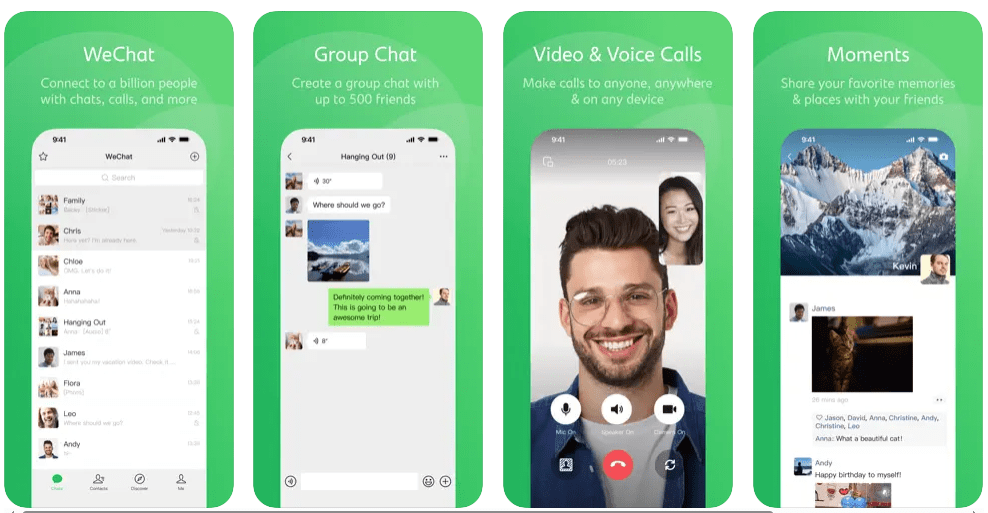
Weixin’s continuous innovation with targeted campaigns also demonstrates how understanding cultural context and user needs can boost engagement. For example, its 2014 “Red Envelope” campaign leverages a traditional Chinese cultural practice to generate excitement and social sharing. This campaign’s success—five million participants and twenty million red envelopes sent—highlighted how blending cultural relevance with digital innovation can deepen user interaction and increase platform’s stickiness (Horwitz, 2014). Similarly, the introduction of services like the “Didi Taxi,” which integrated ride-hailing and payment functions, further embedded Weixin into users’ routines by satisfying practical mobility needs and encouraging habitual use of the platform’s financial services (Chen, 2014; Millward, 2014).
The overarching lesson from Weixin’s success is the importance of embedding a social media product into daily routines. By making itself a part of everyday activities—whether commuting, shopping, or socializing—Weixin effectively fosters behavioral change and loyalty. Audience analysis, cultural relevance, and convenience are key factors in developing such integrated platforms (Terlouw, 2019). As social media marketers, understanding these elements can help shape products and campaigns that resonate deeply and become indispensable to users.
References
Barboza, D. (2014). Tencent’s Weixin is creating a new mobile economy in China. The New York Times. https://www.nytimes.com/2014/02/15/technology/tencent-china-mobile-economy.html
Beldad, A., & Hegner, S. M. (2018). Effortful and effortless online decision making: The moderating role of familiar brands. Telematics and Informatics, 35(4), 796–806. https://doi.org/10.1016/j.tele.2018.02.002
Chen, J. (2014). Weixin’s Didi Taxi: How Tencent is expanding its mobile ecosystem. Forbes. https://www.forbes.com/sites/johnchen/2014/10/23/weixins-didi-taxi-how-tencent-is-expanding-its-mobile-ecosystem/
Horwitz, J. (2014). How WeChat’s red envelope campaign pumped up engagement. The Wall Street Journal. https://www.wsj.com/articles/how-wechat-red-envelope-campaign-boosted-engagement-1390326794
Li, Y. (2014). WeChat marketing strategies and success stories. Chinese Business Review, 13(3), 157–162.
Millward, D. (2014). WeChat’s success in China: A case study. TechCrunch. https://techcrunch.com/2014/09/16/wechat-china-trends/
Terlouw, E. (2019). Embedding social media in daily routines: How digital habits develop. Journal of Digital & Social Media Marketing, 7(4), 319–328.


 Jamie's Marketing Journey
Leave a comment