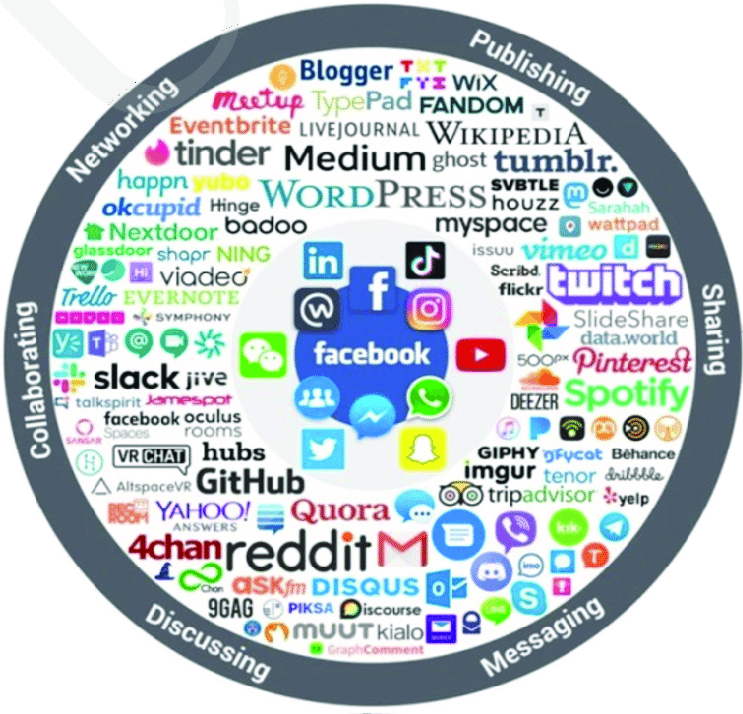
The social media landscape is continually evolving, and brands must adapt to remain relevant. As we look ahead, several key implications stand out that could shape companies’ social media strategies.
Rise of Authenticity
Implication: Consumers increasingly seek authentic connections with brands. This shift towards transparency means that brands must focus on genuine interactions rather than polished marketing campaigns.
Impact on Strategy: Companies may need to invest in storytelling that reflects their values and mission. Utilizing user-generated content, engaging directly with customers, and showcasing real-life product applications can foster trust.
The Influence of Short-Form Video
Implication: Platforms like TikTok and Instagram Reels highlight a growing preference for short-form, engaging video content. This trend is reshaping how brands communicate with their audience.
Impact on Strategy: Brands may have to pivot their content strategies to prioritize video production. Learning how to create engaging, bite-sized content can help maintain audience attention and drive engagement.
Increased Emphasis on Social Commerce
Implication: The integration of shopping features in social media platforms is making it easier than ever for consumers to make purchases directly through these channels.
Impact on Strategy: Companies will need to refine their social media strategies to include shoppable posts and streamlined checkout processes. Understanding how to leverage these features can enhance sales and customer experience.

Changes in Algorithm Transparency
Implication: Social media platforms are increasingly facing scrutiny over the opacity of their algorithms. This may lead to calls for greater transparency and fairness in how content is distributed.
Impact on Strategy: Brands may need to focus on building a community rather than solely relying on algorithms to reach their audience. Engagement will be key in fostering organic growth and visibility.
The implications of these trends, driven by both changes in human behavior and technological advancements, require brands to be adaptable and forward-thinking. Embracing authenticity, prioritizing engaging content, leveraging social commerce, and fostering community engagement are strategies that can help brands thrive in this evolving landscape.
As social media continues to evolve, companies that remain agile in their strategies will likely lead the way in capturing audience attention and loyalty.

 Jamie's Marketing Journey