Jamie's Marketing Journey

Tag: business

  • Viral Marketing Initiatives

    In today’s digital landscape, some marketing campaigns manage to capture the public’s attention and go viral, sparking widespread engagement and discussion. But what exactly makes a marketing initiative go viral? After analyzing successful campaigns, I’ve identified five key characteristics that contribute to their virality.

    Emotional Resonance

    The most effective viral campaigns tap into emotions—whether it’s humor, joy, surprise, or even sadness. One prominent example is the “Dumb Ways to Die” campaign by Metro Trains in Melbourne. The catchy tune and humorous animations teach viewers about train safety while making them laugh. Launched in 2013, this campaign has garnered over 200 million YouTube views and spawned countless parodies and remixes, showcasing the power of emotional appeal.

    Watch Dumb Ways to Die

    Shareability

    A successful viral campaign must be easy to share. The Ice Bucket Challenge is a key illustration of this. The campaign called for participants to dump ice water over themselves and share the video online, tagging friends to do the same. This simple, fun challenge raised over $220 million for ALS research and encouraged massive participation across social media platforms. The incorporation of social media sharing buttons made it effortless for users to share their videos, resulting in explosive growth.

    Learn More About the Ice Bucket Challenge

    Creativity and Originality

    A unique concept grabs attention in a crowded marketplace. Blendtec’s “Will It Blend?” series exemplifies this, with videos that showcase its powerful blenders destroying unconventional items. These creative videos brought humor and intrigue, making them widely shareable and driving a significant increase in sales. The campaign’s clever use of humor, paired with easy social media sharing, helped Blendtec become a household name.

    Watch Will It Blend?

    Interactivity

    Interactive campaigns encourage deeper audience engagement. Procter & Gamble’s Old Spice leveraged interactivity through its “Old Spice Man” campaign, which featured personalized video responses to viewers’ social media comments. This innovative approach not only drew millions of views—40 million in the first week alone—but also built a stronger community around the brand. The campaign used social media platforms like Twitter and personalized videos to foster engagement.

    Explore Old Spice Responses

    Cultural Relevance

    Finally, viral campaigns often succeed by connecting with current events or cultural trends. The “Kony 2012” campaign is a significant example. By raising awareness of warlord Joseph Kony through a compelling narrative and engaging videos, the campaign encouraged millions to share it on social media. Its cultural relevance and timely messaging drove a historic level of online engagement.

    Watch Kony 2012

    The key characteristics that make marketing initiatives go viral include emotional resonance, shareability, creativity, interactivity, and cultural relevance. Companies can enhance their campaigns by incorporating social media sharing tools, such as widgets and plugins, to facilitate easy dissemination and greater audience engagement.

    Incorporating these elements into marketing strategies can dramatically increase the potential for virality, ensuring that meaningful messages reach a wider audience.

  • Differentiation: How McDonald’s and Burger King Use Social Media to Stand Out

    When it comes to fast food, two giants dominate the global stage: McDonald’s and Burger King. Both have embraced social media to engage customers, build brand loyalty, and differentiate themselves in a highly competitive industry. But how do their strategies differ? Let’s dig in!

    A McDonald’s restaurant in Mount Lebanon, Pa., is pictured in 2021.
    Gene J. Puskar/AP

    McDonald’s: Consistency and Customer Engagement

    McDonald’s leverages social media to create a sense of familiarity and community. A key element of their strategy is maintaining a consistent brand voice across platforms like Facebook, Twitter, and Instagram. Their content emphasizes family-friendly messaging, community involvement, and product innovation. For instance, their recent campaigns focus on sustainability efforts, appealing to eco-conscious consumers (Hollensen & Opresnik, 2019).

    McDonald’s also uses social media to respond promptly to customer inquiries, turning platforms into a form of customer service. This proactive engagement shows that they value their customers’ feedback and want to foster loyalty. Their social content often features user-generated content, creating a sense of belonging among followers.

    https://www.pixartprinting.co.uk/blog/burger-king-logo/

    Burger King: Bold, Trend-Driven Creativity

    Burger King, on the other hand, takes a bolder approach. Known for provocative and humorous campaigns, Burger King uses social media to stand out and appeal to a younger, more rebellious audience. Their campaigns often incorporate trending memes, edgy comments, and playful jabs at competitors—most notably, McDonald’s.

    Their social media efforts focus on viral marketing, with campaigns designed to spark conversation rather than just promote products. For example, their “Moldy Whopper” campaign visually showcased the burger decaying naturally without preservatives, emphasizing their commitment to removing artificial ingredients, all while generating a ton of buzz.

    Comparing Strategies and Business Goals

    While McDonald’s uses a consistent, community-oriented approach aligning with their strategic goal of brand loyalty and family appeal, Burger King’s strategy revolves around differentiating through humor and viral content, targeting a younger demographic. Both companies aim to increase brand awareness but do so with different values and messages.

    Problem-Solving Approach

    If your brand wants to stand out in a saturated industry, consider the approaches of these giants. Do you want to create a sense of community and trust like McDonald’s, or do you prefer to be bold and trend-setting like Burger King? Understanding your target audience’s preferences will help you craft a social media strategy that aligns with your business goals—and, importantly, resonates with consumers.

    What’s Your Strategy?

    I challenge you to evaluate your own social media presence. Are you playing it safe or being daring? Share your thoughts below! And don’t forget to follow me on Twitter @jamiemorse77 to see more insights on branding and social media tactics. Let’s connect and grow!

  • Understanding the Success of Weixin: The Power of Audience-Centered Social Media Strategy

    Weixin (Known as Wechat in USA)

    The case of Weixin (also known as WeChat outside China) exemplifies how a deep understanding of audience needs and behaviors can transform a social media platform into an indispensable part of users’ daily routines. Launched in 2011 and managed by Tencent, Weixin has grown exponentially, reaching over 300 million active users within just three years and becoming a vital tool for communication, commerce, and entertainment both within China and internationally (Barboza, 2014). This success can be largely attributed to Weixin’s strategic focus on audience insights and user convenience, which aligns with principles discussed in social media marketing literature regarding audience engagement.

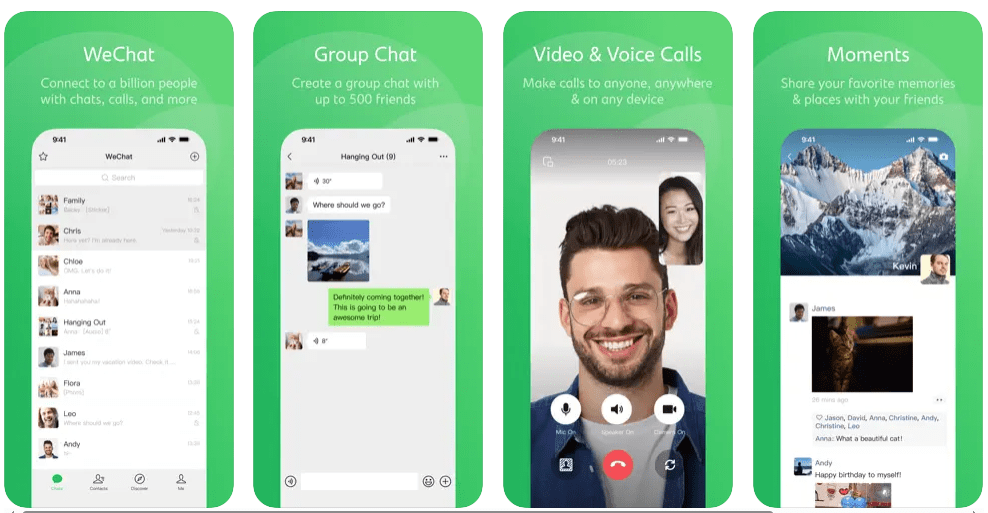
    Weixin’s approach exemplifies a comprehensive understanding of its target audience: young, urban smartphone users who seek convenience and multifunctionality. The platform’s “all-in-one” design allows users to perform diverse activities—from sharing photos, reading news, ordering taxis, to shopping—within a single application. This integration minimizes “search costs” for consumers, meaning they are more likely to use Weixin because it offers everything they need in one place, reducing their effort to switch between multiple apps (Beldad & Hegner, 2018). The platform’s user-friendly interface, which facilitates quick actions like recording messages with a single button or accessing links directly within Weixin, further enhances user self-efficacy and habit formation (Li, 2014).

    Snipit from Apple Store Screenshots 20250714

    Weixin’s continuous innovation with targeted campaigns also demonstrates how understanding cultural context and user needs can boost engagement. For example, its 2014 “Red Envelope” campaign leverages a traditional Chinese cultural practice to generate excitement and social sharing. This campaign’s success—five million participants and twenty million red envelopes sent—highlighted how blending cultural relevance with digital innovation can deepen user interaction and increase platform’s stickiness (Horwitz, 2014). Similarly, the introduction of services like the “Didi Taxi,” which integrated ride-hailing and payment functions, further embedded Weixin into users’ routines by satisfying practical mobility needs and encouraging habitual use of the platform’s financial services (Chen, 2014; Millward, 2014).

    The overarching lesson from Weixin’s success is the importance of embedding a social media product into daily routines. By making itself a part of everyday activities—whether commuting, shopping, or socializing—Weixin effectively fosters behavioral change and loyalty. Audience analysis, cultural relevance, and convenience are key factors in developing such integrated platforms (Terlouw, 2019). As social media marketers, understanding these elements can help shape products and campaigns that resonate deeply and become indispensable to users.

    From Tencent Youtube page

    References

    Barboza, D. (2014). Tencent’s Weixin is creating a new mobile economy in China. The New York Times. https://www.nytimes.com/2014/02/15/technology/tencent-china-mobile-economy.html

    Beldad, A., & Hegner, S. M. (2018). Effortful and effortless online decision making: The moderating role of familiar brands. Telematics and Informatics, 35(4), 796–806. https://doi.org/10.1016/j.tele.2018.02.002

    Chen, J. (2014). Weixin’s Didi Taxi: How Tencent is expanding its mobile ecosystem. Forbes. https://www.forbes.com/sites/johnchen/2014/10/23/weixins-didi-taxi-how-tencent-is-expanding-its-mobile-ecosystem/

    Horwitz, J. (2014). How WeChat’s red envelope campaign pumped up engagement. The Wall Street Journal. https://www.wsj.com/articles/how-wechat-red-envelope-campaign-boosted-engagement-1390326794

    Li, Y. (2014). WeChat marketing strategies and success stories. Chinese Business Review, 13(3), 157–162.

    Millward, D. (2014). WeChat’s success in China: A case study. TechCrunch. https://techcrunch.com/2014/09/16/wechat-china-trends/

    Terlouw, E. (2019). Embedding social media in daily routines: How digital habits develop. Journal of Digital & Social Media Marketing, 7(4), 319–328.